Mosquito populations rise despite arrival of colder temperatures
LAKE CHARLES, La. (KPLC) - Typically, as temperatures fall, the mosquito population does as well.
Although this year, that may not ring so true.
Last week, Tropical Storm Sara formed, and though Louisiana avoided direct impact, the storm did cause tides to rise, resulting in a significant increase in the mosquito population.
“It flooded all of coastal Louisiana, and what that did was push water into our marsh or estuaries, and the dry spots flooded. That hatched a bunch of mosquito eggs, so we’re having a little outbreak of Aedes Sollicitans, salt marsh mosquitoes across the parish,” explained Scott Harrington with Calcasieu Parish Mosquito Control.
Harrington said this season overall has been anything but typical.
“I would say this year was way above average. We definitely sprayed twice as much with our aircraft, sprayed more with our trucks. It was an expensive year for us. In March, February, we had mosquitos, that was after that long drought we had then everything flooded, and it’s been a challenge for our crew and our staff here.” he said.
Another issue mosquito control has run into recently is the constant rise and fall of temperatures.
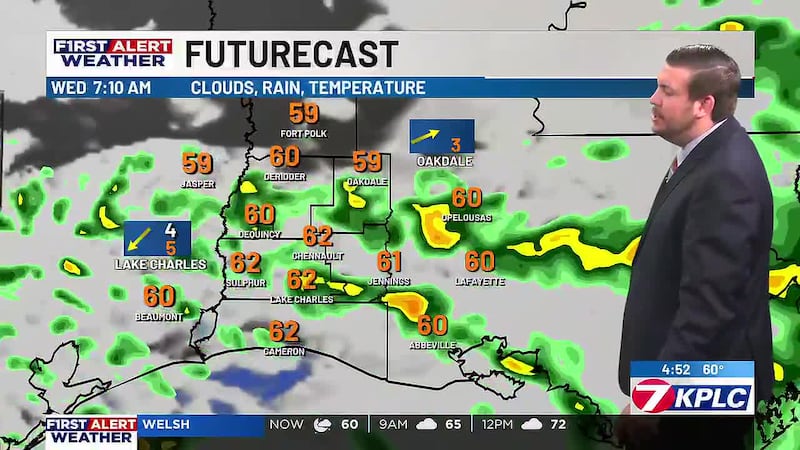
Spraying can only be done when it’s above 50 degrees.
Colder temps can affect the makeup of the spray and wind causes uneven applications.
“If we spray just one day, two days, Calcasieu is so big, we can’t really cover a lot in that one or two-day window, being able to spray or make applications. So those mosquitos are still doing their thing, and we can’t really attack them like we need to,” said Harrington.
Harrington said they monitor the forecast each week to determine what days spray applications will be possible.
Something else to keep in mind is that at this time of year, many rice farmers are beginning to flood their ponds, which usually causes another spike in mosquitos, according to Harrington.
Mosquitoes become less active in the colder months because the low temperatures cause them to be more lethargic, but each year, it seems like the warmer temperatures are lasting longer.
“That’s a challenge for mosquito control across the United States, is if we have warmer days, or days that stay warmer, there are more of what we call mosquito days. So there’s more time we have to spray, more chances for viruses and different activity out there with mosquitos associated with those warmer days,” Harrington said.
Copyright 2024 KPLC. All rights reserved.